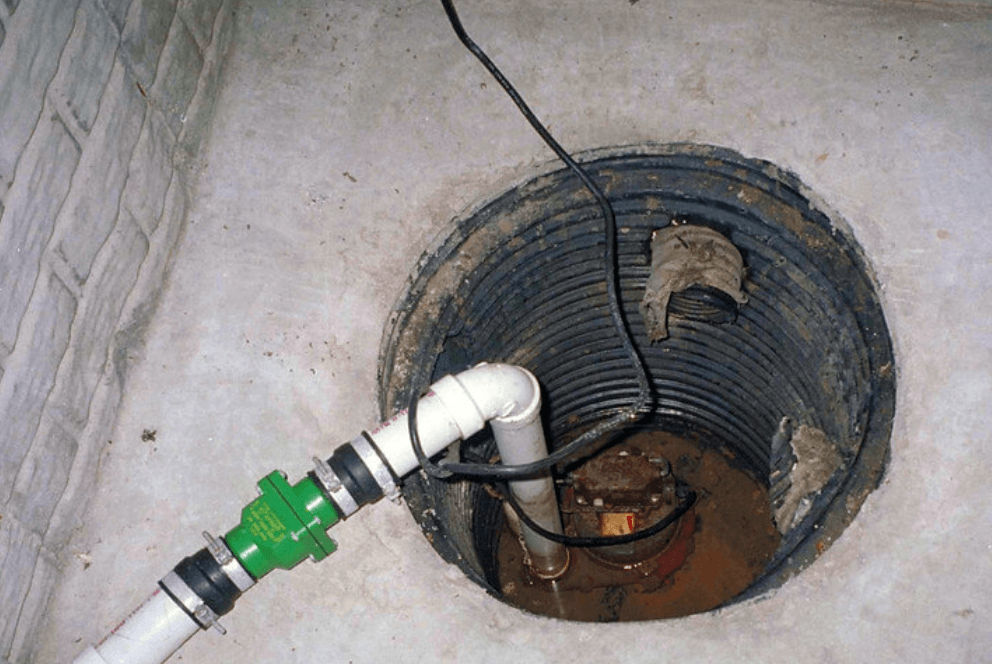

Maintaining a dry and secure home environment is critical for any homeowner, particularly when it comes to preventing water damage in the basement. A reliable sump pump is your first line of defense against flooding, but like any appliance, it can wear out over time. Recognizing when to seek a Sump Pump Replacement Service can protect your home from potential water damage. In this article, we will explore five key indicators that suggest your sump pump may need replacing, ensuring your home stays safe and dry.
Signs of Frequent Clogging in Your Sump Pump
Frequent clogging of your sump pump can be a telltale sign that it’s time for a replacement. A sump pump that is regularly clogged may indicate that debris is consistently entering the pump basin, preventing it from functioning correctly. When assessing the need for replacement, consider whether your basement has undergone an indoor air quality assessment. Poor air quality can sometimes result from mold growth, which is exacerbated by inadequate water removal due to a failing sump pump. If you notice persistent clogging, it may be beneficial to consult with a professional to discuss options for a more efficient model.
Unusual Noises Indicating Mechanical Issues
Unusual noises, such as grinding or rattling, can indicate mechanical issues within your sump pump. These sounds are often a precursor to more significant failures. The mechanical components of a sump pump, like any machinery, can wear out over time. If you’ve recently conducted an energy-efficient home audit, you might have noticed increased energy consumption attributed to the sump pump working harder than necessary. When your sump pump starts to make unusual noises, it might be time to consider replacement to restore peace and efficiency in your home.
Increased Water Accumulation in the Basement
One of the clearest signs that your sump pump needs attention is the presence of increased water accumulation in your basement. If your sump pump is not pumping out water effectively, you might notice damp spots or even small pools of water. This not only poses a risk for water damage but can also impact your home’s indoor environmental quality (IEQ) metrics, leading to mold and mildew growth. For homeowners invested in sustainable landscaping practices, it’s essential to have a properly functioning sump pump to prevent water issues that could disrupt your home’s foundation and surrounding property.
Age of the Sump Pump and Its Efficiency Decline
The age of your sump pump can significantly affect its performance. Most sump pumps have a lifespan of about 10 years. However, as they age, their efficiency can decline, making them less effective at keeping your basement dry. If you have recently invested in home automation protocols, such as smart thermostat integration, you might be more attuned to the efficiency of your home appliances. An old sump pump may not only fail to prevent flooding but can also increase your energy bills as it struggles to perform. Regularly updating your seasonal maintenance checklist to include an evaluation of your sump pump’s age and performance can help you determine the right time for a replacement.
Conclusion
Recognizing the signs that your sump pump needs replacement is essential in maintaining a dry and safe home. Frequent clogs, unusual noises, increased water accumulation, and age-related efficiency decline are clear indicators that it’s time to act. By addressing these issues promptly, you can ensure your home remains a secure haven for you and your family. Investing in a reliable Sump Pump Replacement Service can safeguard your property and offer peace of mind, knowing your home is protected from potential water damage.