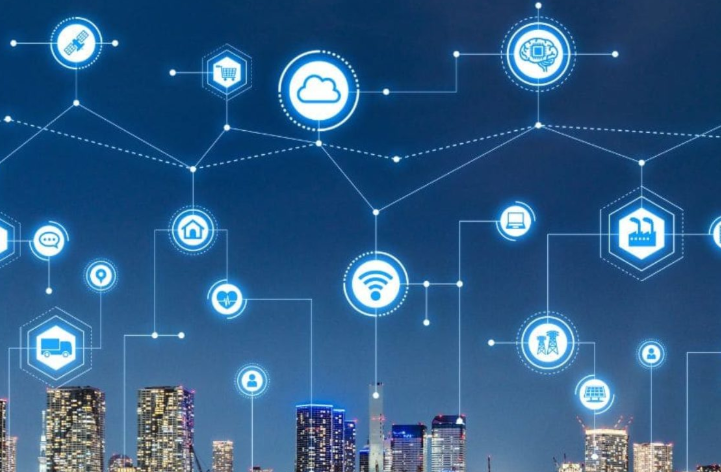
Smart city technology stands at the forefront of urban innovation. It utilizes real-time data analytics to enhance transportation efficiency and streamline traffic management. This advancement not only eases congestion but also optimizes public transport systems. Moreover, integrating sustainable energy solutions contributes to a more eco-friendly urban environment. As cities evolve, the implications of these technologies on community dynamics and safety warrant further exploration. What transformations lie ahead for urban living?
Enhancing Transportation Efficiency
Smart city technology frequently plays a pivotal role in enhancing transportation efficiency by integrating advanced systems that optimize traffic flow and reduce congestion.
Smart traffic solutions utilize real-time data analytics to manage vehicle movement, while the emergence of autonomous vehicles further streamlines urban transit.
This synergy not only fosters enhanced mobility but also empowers citizens, promoting a sense of freedom in navigating urban landscapes.
Promoting Sustainable Energy Solutions
As cities evolve, the integration of sustainable energy solutions becomes essential for fostering environmental resilience and economic vitality.
By harnessing renewable energy sources, cities can reduce their carbon footprint while promoting energy independence.
Advanced energy storage systems further enhance this transition, enabling efficient energy management and distribution.
Together, these innovations pave the way for a sustainable urban future, empowering communities to thrive responsibly.
See also: How Security Technology Protects Digital Assets
Improving Public Safety and Security
While the challenges of urban crime and safety concerns persist, the adoption of advanced technologies is revolutionizing public safety and security in cities.
Surveillance technology enhances crime prevention strategies by providing real-time data and analytics, enabling law enforcement to respond swiftly to incidents.
This integration fosters a safer urban environment, empowering communities while ensuring that the freedom of citizens is respected and maintained.
Fostering Community Engagement and Connectivity
Embracing innovative technologies can significantly enhance community engagement and connectivity within urban environments.
Digital platforms facilitate the organization and promotion of neighborhood events, fostering a sense of belonging and collaboration among residents.
Conclusion
In conclusion, smart city technology stands as a beacon of progress in urban life, akin to the invention of the wheel, revolutionizing transportation and connectivity. By harnessing data analytics, cities optimize traffic flow and enhance public safety, while promoting sustainable energy practices. This multifaceted approach not only enriches the quality of life for residents but also fosters a resilient community spirit. As urban landscapes evolve, the integration of these technologies will be pivotal in shaping future generations’ experiences.